
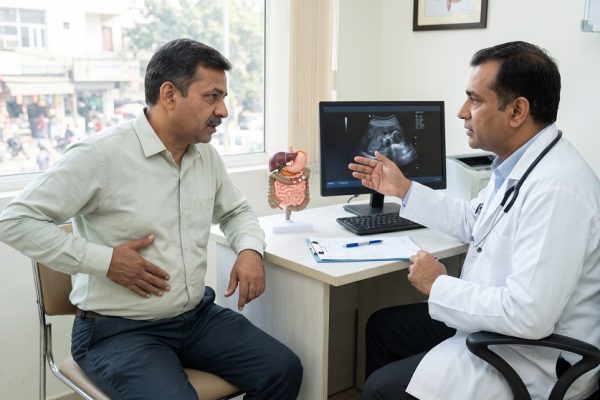
Gallstones are hardened deposits that develop inside the gallbladder. They can vary in size, from tiny particles to larger stones. Some people have gallstones without experiencing any symptoms, while others develop abdominal pain, nausea, and digestive discomfort.
The gallbladder is a small organ located beneath the liver. It stores bile, a digestive fluid that helps the body break down fats. Gallstones may form when substances in bile, such as cholesterol or bilirubin, become concentrated and crystallise.
Recognising the symptoms early can help prevent complications. People experiencing repeated abdominal pain or other warning signs should seek medical evaluation. Depending on the symptoms and test results, a doctor may discuss treatment options, including Gallbladder Stone Surgery in East Delhi.
1. What Are the Common Symptoms of Gallstones?
Gallstone symptoms vary from person to person. Some people never experience discomfort, while others develop sudden episodes of pain.
Abdominal Pain
Pain in the upper-right part of the abdomen is one of the most common symptoms of gallstones. It may also occur in the upper-middle abdomen, just below the breastbone.
The pain can feel sharp, intense, or like a steady ache. It may last from several minutes to a few hours. Some people experience it after eating a heavy or fatty meal.
Pain That Spreads to the Back or Shoulder
Gallbladder pain may spread towards the back or right shoulder blade. This happens because nerves in these areas share pathways that can transmit pain signals from the gallbladder.
The discomfort may become strong enough to interrupt sleep or make normal activities difficult.
Nausea and Vomiting
Gallstones can trigger nausea, particularly during an episode of gallbladder pain. Some people may also vomit or experience a general feeling of digestive discomfort.
Persistent vomiting or severe abdominal pain requires prompt medical attention.
Bloating and Indigestion
Some people report bloating, belching, or discomfort after meals. However, these symptoms are not specific to gallstones. Acidity, gastritis, food intolerance, and other digestive conditions can cause similar problems.
A medical assessment can help identify the actual cause.
Fever and Chills
Fever and chills may indicate inflammation or infection involving the gallbladder or bile ducts. These symptoms should not be ignored, especially when they occur with upper abdominal pain.
Seek urgent medical care if you experience these warning signs.
2. Warning Signs That May Indicate a Complication
Gallstones can sometimes block the flow of bile from the gallbladder. A blockage may lead to inflammation, infection, or other complications.
Watch for the following symptoms:
- Severe or persistent abdominal pain
- Yellowing of the skin or eyes
- Dark-coloured urine
- Pale or clay-coloured stools
- Fever with chills
- Persistent nausea and vomiting
These symptoms may indicate complications such as acute cholecystitis, bile duct obstruction, or pancreatitis. They require prompt medical evaluation rather than home treatment.
3. What Causes Gallstones to Develop?
Gallstones form when the chemical balance of bile changes. Several factors can increase the likelihood of developing them.
Excess Cholesterol in Bile
The liver releases cholesterol into bile. When bile contains more cholesterol than it can dissolve, crystals may develop and gradually form stones.
Excess Bilirubin
Bilirubin is a substance produced when the body breaks down red blood cells. Certain liver conditions, blood disorders, and infections can increase bilirubin levels and contribute to pigment gallstone formation.
Incomplete Gallbladder Emptying
If the gallbladder does not empty properly, bile may remain inside for longer periods. This can increase the chance of stone formation.
Other Risk Factors
Factors associated with a higher risk of gallstones include:
- Increasing age
- Obesity
- Rapid weight loss
- Pregnancy
- Family history of gallstones
- Diabetes
- Certain liver or blood conditions
- Some medications and hormonal factors
Having one or more risk factors does not mean that a person will definitely develop gallstones.
4. How Are Gallstones Diagnosed?
Doctors use a combination of medical history, physical examination, and diagnostic tests to evaluate suspected gallstones.
Medical History and Physical Examination
The doctor may ask about the location, duration, and frequency of abdominal pain. They may also ask whether symptoms occur after meals or are associated with fever, vomiting, or jaundice.
A physical examination can help identify tenderness around the upper-right abdomen.
Ultrasound
An abdominal ultrasound is commonly used to detect gallstones. It can show stones inside the gallbladder and may also reveal signs of gallbladder inflammation.
Blood Tests
Blood tests may help identify inflammation, infection, or problems involving the liver, bile ducts, and pancreas.
Additional Imaging
Depending on the findings, the doctor may recommend further investigations, such as magnetic resonance cholangiopancreatography (MRCP) or other imaging procedures, to examine the bile ducts.
5. What Are the Treatment Options for Gallstones?
Treatment depends on whether gallstones cause symptoms, whether complications have developed, and the patient’s overall health.
Observation for Gallstones Without Symptoms
People with gallstones that do not cause symptoms may not need immediate treatment. A doctor can assess their medical history and advise whether observation is appropriate.
Medication
Certain medicines can dissolve specific cholesterol stones in selected patients. However, this approach is not suitable for everyone. Treatment may take a long time, and stones can return after the medicine is stopped.
Laparoscopic Gallbladder Removal
Doctors commonly recommend laparoscopic cholecystectomy for patients with symptomatic gallstones. During this procedure, the surgeon removes the gallbladder through small incisions using a camera and specialised instruments.
The procedure is performed under general anaesthesia. Recovery varies according to the patient’s health, surgical findings, and whether complications are present.
Patients considering Gallbladder Stone Surgery in East Delhi should discuss the expected benefits, risks, recovery period, and suitability of laparoscopic surgery with a qualified surgeon.
Treatment for Bile Duct Stones
If a stone blocks the common bile duct, a doctor may recommend endoscopic retrograde cholangiopancreatography (ERCP) to remove or manage the blockage.
The treatment plan depends on the location of the stone and the patient’s condition. Some patients may also need gallbladder removal.
6. What Happens If Gallstones Are Left Untreated?
Not every gallstone requires treatment. However, symptomatic gallstones can cause repeated episodes of pain and may lead to complications.
Possible complications include:
- Cholecystitis: Inflammation of the gallbladder due to blockage.
- Bile duct obstruction: A stone may block the passage through which bile flows.
- Cholangitis: Infection of the bile ducts, which can become serious.
- Pancreatitis: A gallstone may block the shared drainage area and trigger inflammation of the pancreas.
The risk depends on the individual’s condition. Anyone experiencing severe abdominal pain, fever, jaundice, or persistent vomiting should seek urgent medical care.
7. How Can You Reduce the Risk of Gallstones?
Gallstones cannot always be prevented, but healthy habits may help reduce certain risk factors.
- Maintain a healthy weight through gradual, sustainable changes.
- Avoid crash diets and rapid weight loss.
- Include fibre-rich foods such as fruits, vegetables, and whole grains.
- Choose balanced meals with appropriate portions of healthy fats.
- Stay physically active.
- Manage diabetes and other metabolic conditions with medical guidance.
- Follow a regular eating routine that suits your health needs.
These habits support general health but cannot guarantee that gallstones will not develop.
Frequently Asked Questions
1. Can gallstones exist without symptoms?
Yes. Many people have gallstones without experiencing pain or digestive problems. These are often discovered during imaging performed for another reason.
2. Where does gallstone pain usually occur?
Gallstone pain commonly develops in the upper-right abdomen or upper-middle abdomen. It may also spread towards the back or right shoulder blade.
3. Do all gallstones require surgery?
No. People with gallstones that do not cause symptoms may only need observation. Doctors commonly consider gallbladder removal when stones cause repeated symptoms or complications.
4. Is laparoscopic gallbladder surgery safe?
Laparoscopic gallbladder removal is a commonly performed procedure. Like all surgeries, it carries risks. A surgeon should explain the possible complications and assess the patient’s suitability before recommending it.
5. How long does recovery take after gallbladder surgery?
Recovery varies depending on the patient’s health, the surgical approach, and whether complications occur. Many patients return to routine activities gradually, following their surgeon’s instructions.
Conclusion
Gallstones may remain unnoticed for years, but they can also cause abdominal pain, nausea, vomiting, and serious complications. Recognising warning signs and getting an appropriate medical evaluation can help determine whether observation, medication, or surgery is suitable.
People experiencing repeated gallbladder pain should not rely on home remedies or ignore recurring symptoms. Consulting a qualified general surgeon can help identify the cause and explain available treatment options. For suitable patients, Gallbladder Stone Surgery in East Delhi may be considered after a proper clinical assessment.